What the Randburg team needed from the room
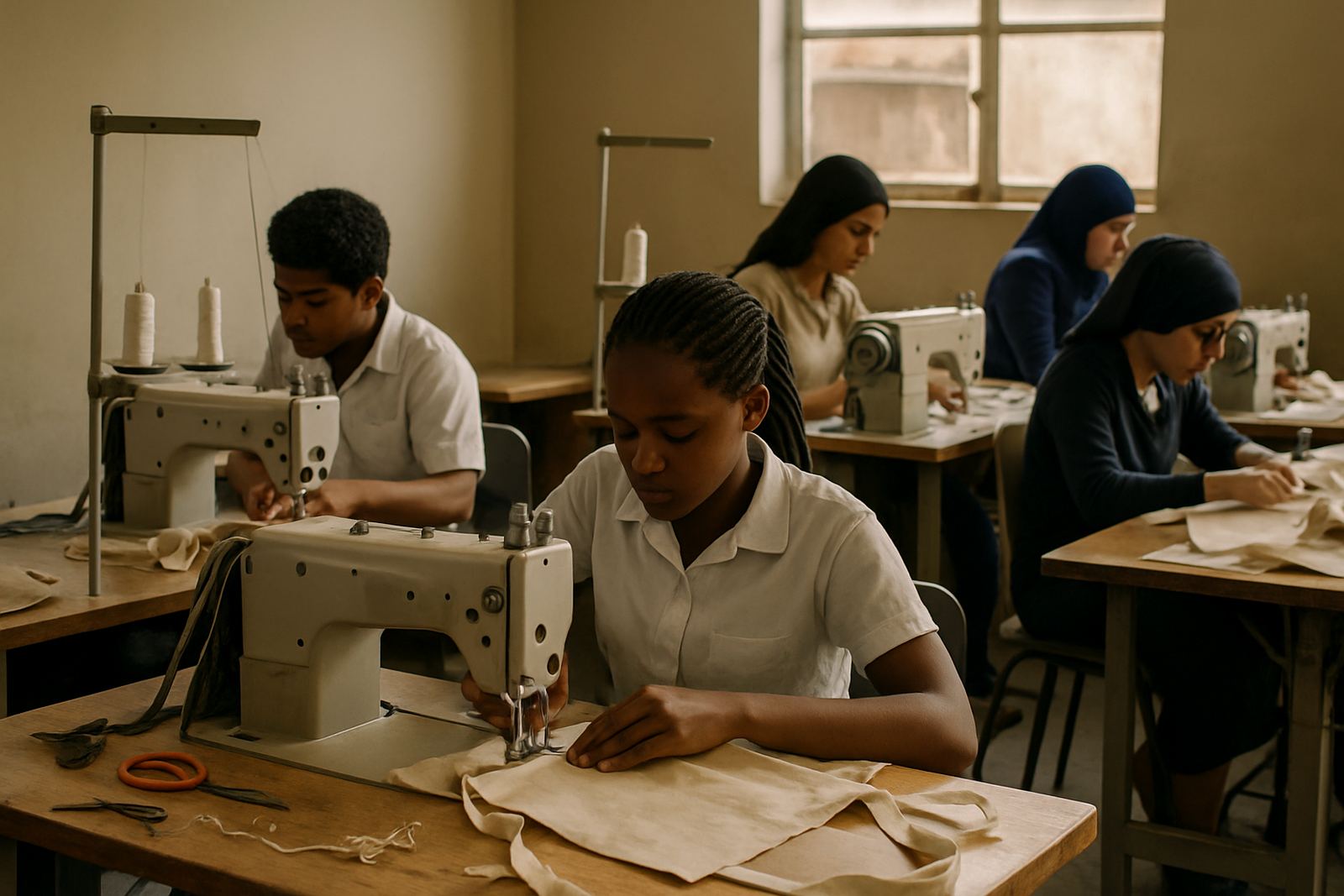
The client was a small fashion and alteration business in Randburg doing custom orders, repair work and finished garment prep. Their team needed one room that could support sampling, light production, pressing and steaming, with enough order in the layout to keep work moving during busy weeks.
The brief was practical: fit industrial sewing machines for alterations and small runs, add a computerised embroidery machine for monogram and motif work, include a fusing press for collar and panel work, and create a clean steaming corner for final garment preparation. The room also had to cope with load-shedding, limited power points and regular foot traffic from the front of the shop.
- Town: Randburg, Gauteng
- Client type: boutique alterations and small production room
- Workload: repairs, sample pieces, short runs and garment steaming
- Main challenge: limited space with mixed sewing and finishing tasks
Space, power and workflow constraints
The room was compact and the client wanted a clear split between sewing, pressing and finishing. That meant we had to plan machine positions carefully, keep walkways open and allow enough space for fabric handling without blocking the steam area. Ceiling height and ventilation were also important because steam builds up quickly in a small room.
We checked the available supply and made sure the main machines could run from standard workshop power with backup options for outages. In a setup like this, power dips can interrupt stitching and cause unnecessary downtime, so the layout had to suit both normal working hours and load-shedding periods. We also made allowances for dust, thread waste and regular top-up servicing.
- Room size was limited, so every station had to earn its place
- Power points were arranged for sewing, steaming and press equipment
- Air movement was considered for heat and moisture control
- Access paths were kept open for fabric trolleys and garment movement
Equipment supplied and installed
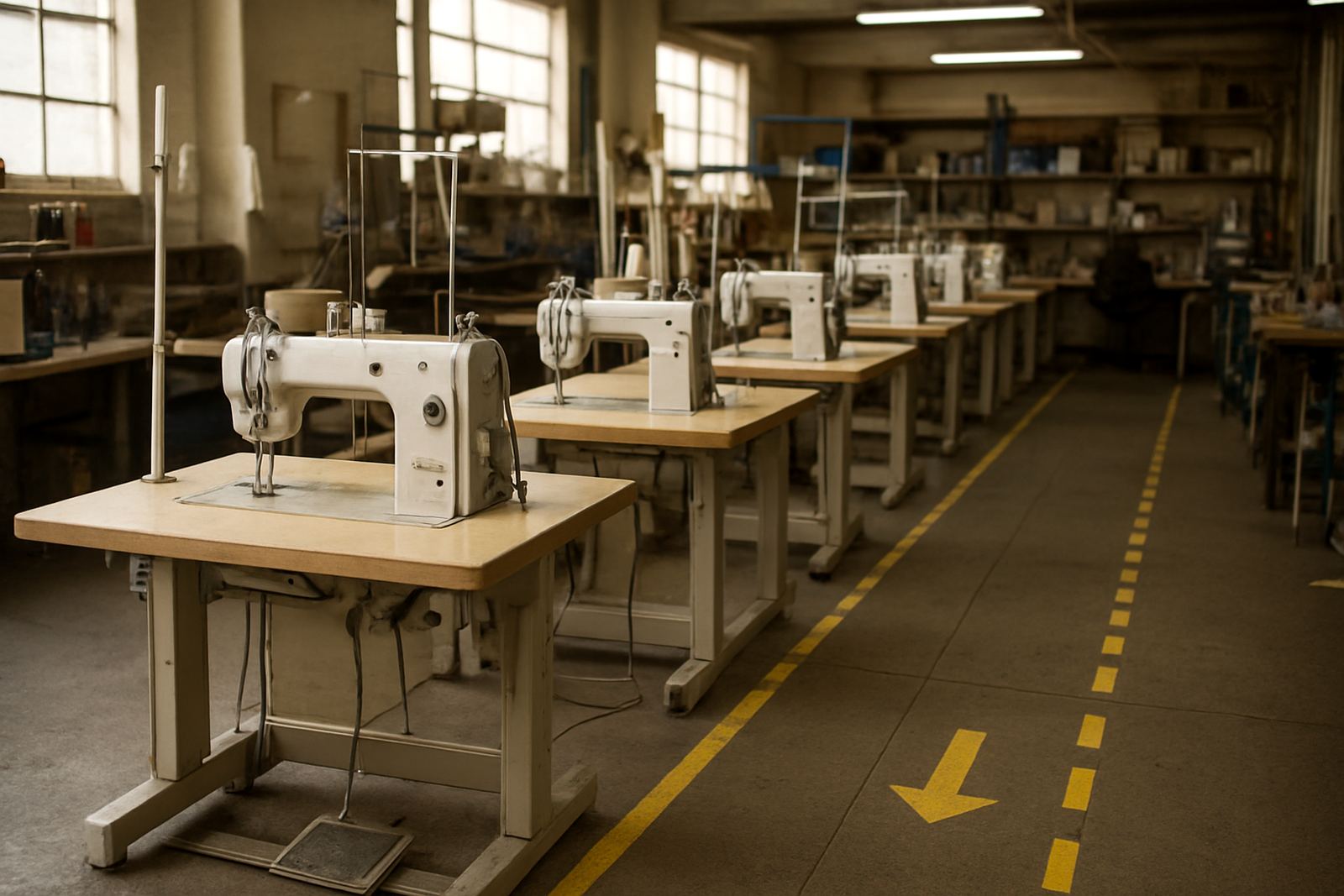
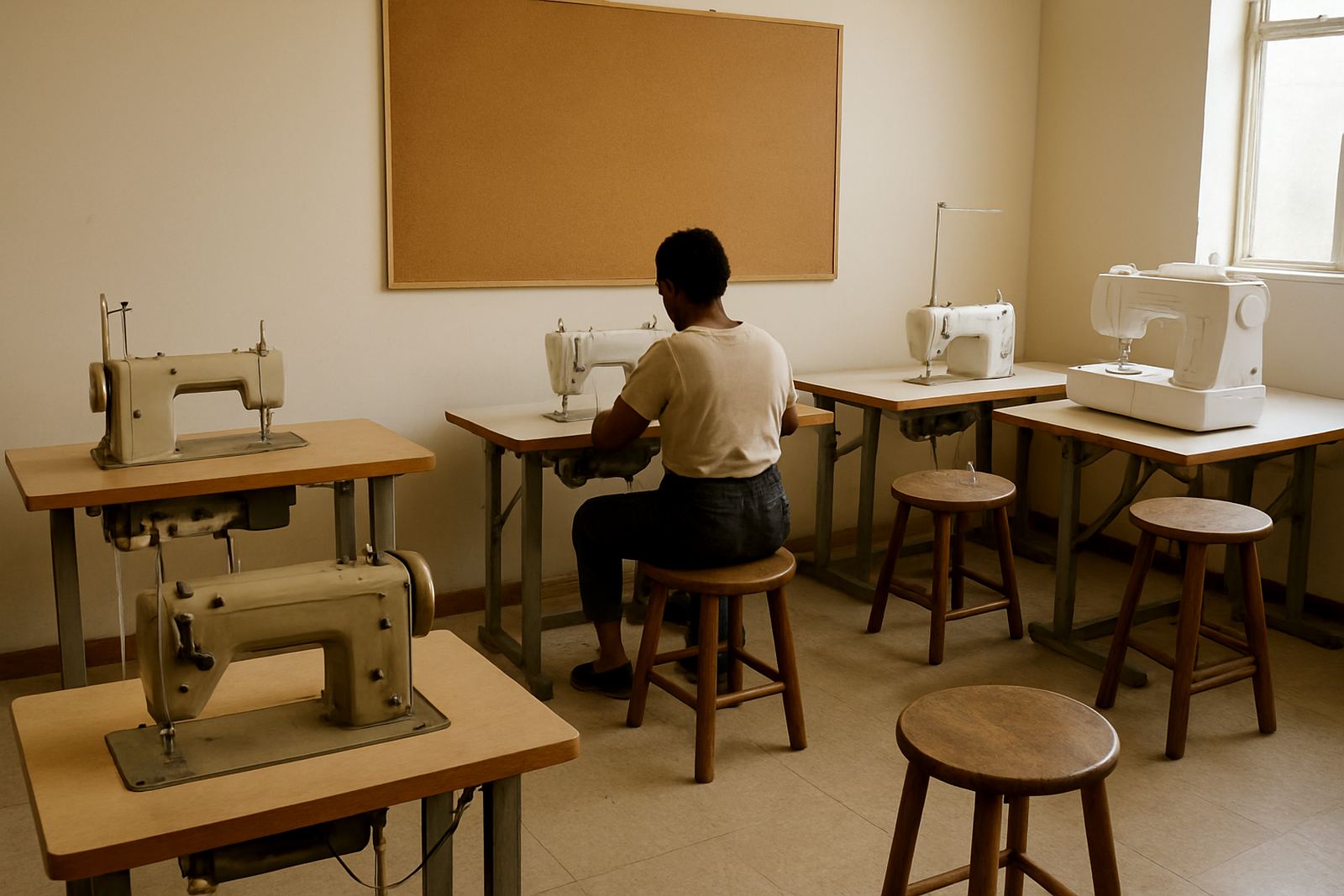
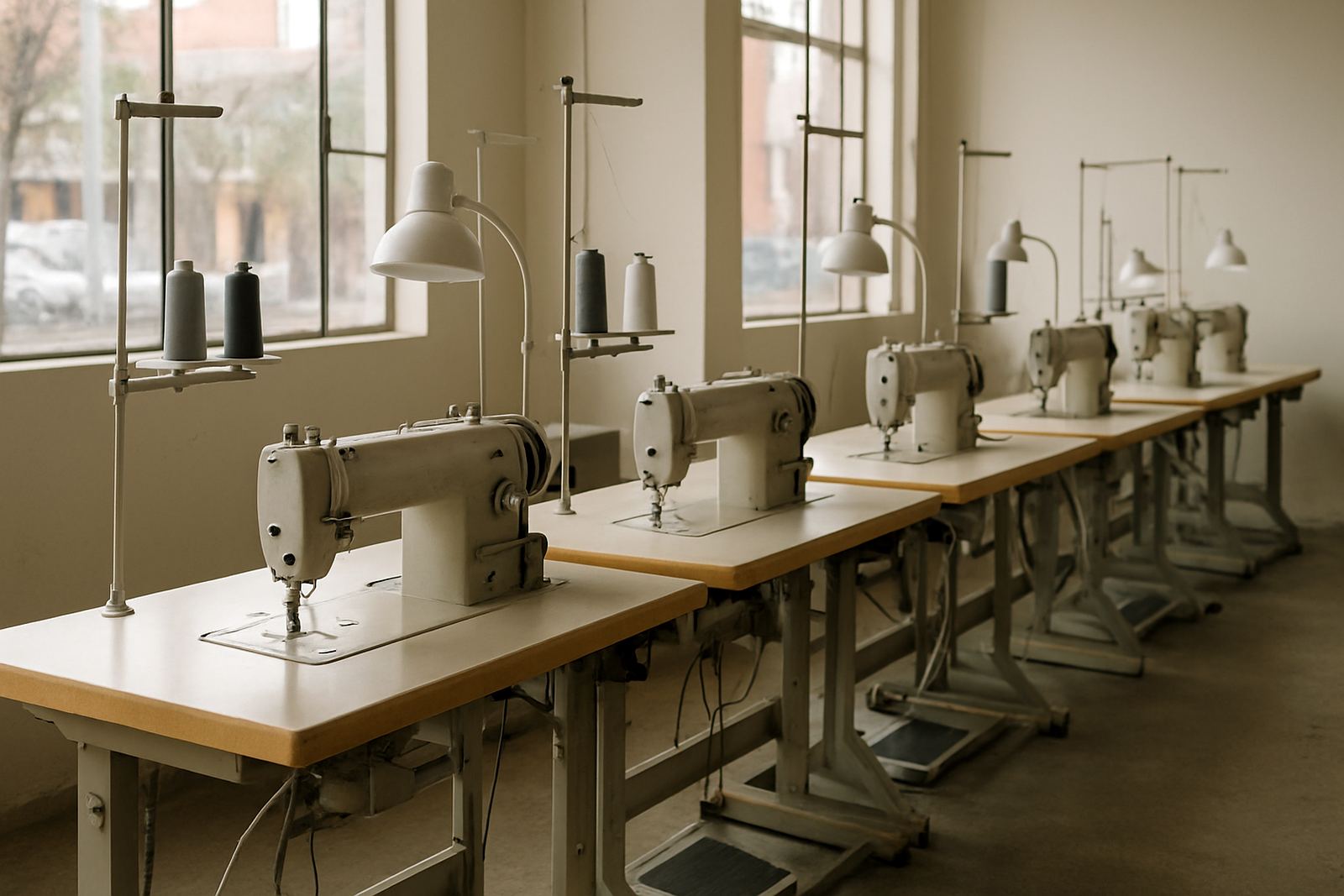
We supplied a mixed set of machines and workshop items to suit the room. The sewing line was built around industrial straight stitch units for repairs and small production pieces, with a household machine kept for finer detail work and smaller jobs. We added a computerised embroidery machine for logo and monogram work, plus a fusing press for structured garments and quick prep work.
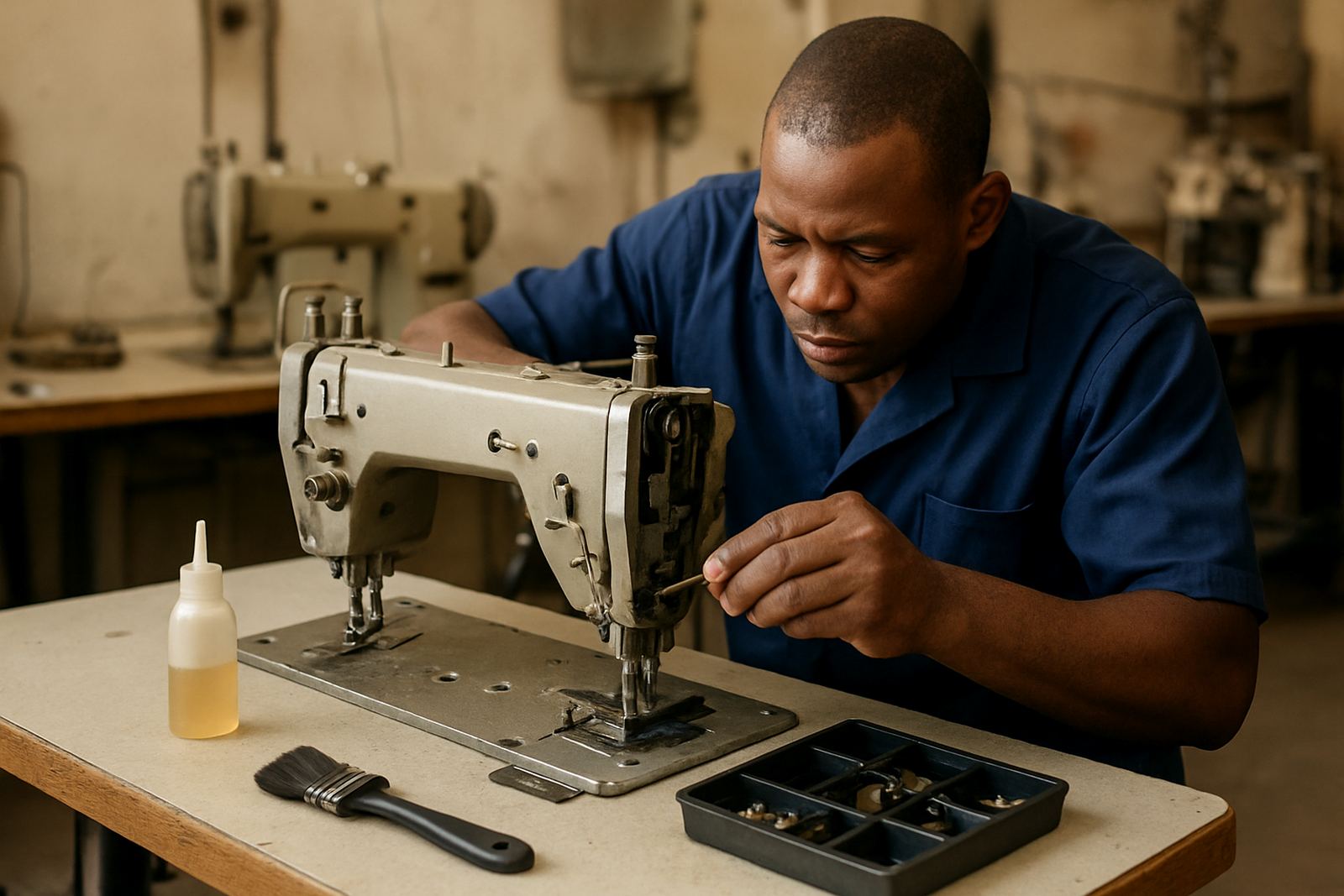
Each machine was installed, levelled and tested on site. We also fitted the right needles, bobbins, threads and basic attachments so the team could start work straight away. Where needed, we changed motor settings and timing to match the fabric types they handle most often, from lighter fashion cloths to firmer garment sections.
- Industrial sewing machines for repairs and short runs
- Household machine for detail work and sample finishing
- Computerised embroidery machine for small custom jobs
- Fusing press for collars, cuffs and garment support panels
- Threads, needles, feet, bobbins and general haberdashery
Setting up the back room for daily use
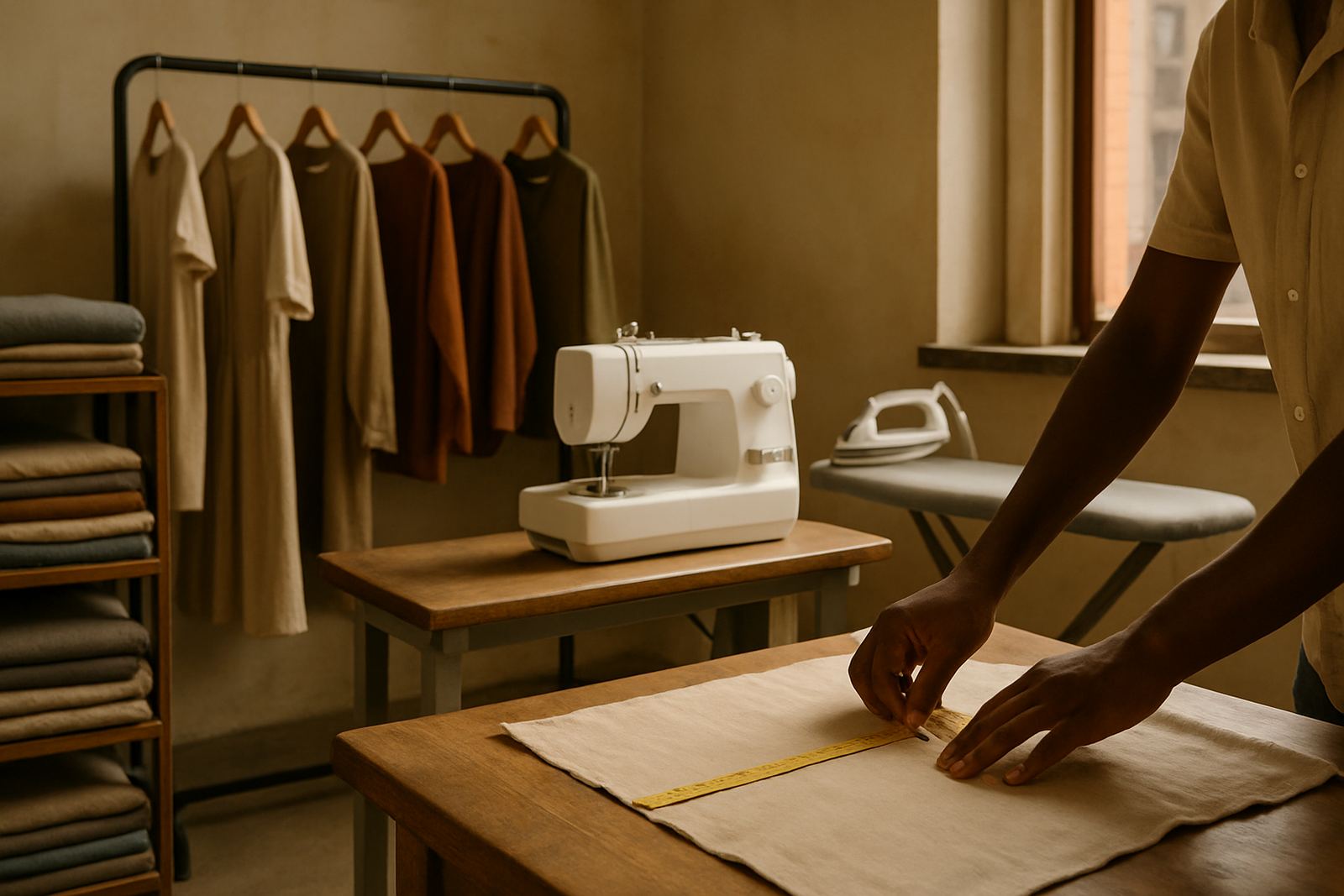
The room was arranged so that the workflow moved in one direction. Cutting and prep sat close to the sewing line, pressing was positioned near the exit point for finished garments, and the steaming area had enough space for hanging and cooling items before packaging. That saved time on each order and made it easier for the staff to keep the workroom tidy during the day.
We also helped with workroom planning, including table placement, storage for spares and a simple stock system for fast moving items. The client wanted fewer delays from missing parts or misplaced attachments, so we separated workshop stock from everyday consumables. It is a small room, but it now works like a proper production space rather than a crowded back corner.
- Clear separation between sew, press and steam tasks
- Storage set up for spare parts and attachments
- Simple order flow from intake to final hanging and packing
- Space left for maintenance access around each machine
Training, servicing and first week support
Once the equipment was in place, we showed the team how to handle the machine settings, threading, tension checks and basic daily care. We also covered safe use of the press and steam area, which matters in a boutique room where staff may switch between different tasks through the day. The aim was to keep the room productive without overcomplicating the process.
During the first week we checked stitch quality, corrected a minor timing adjustment and tested the embroidery setup with a few sample pieces. We also confirmed that the motor response stayed steady during longer sewing periods. The staff were able to settle into the new flow quickly and the room started handling work without repeated stoppages or clutter.
- Setup and operator training completed on site
- Stitch and tension checks done on the first jobs
- Embroidery sample run tested before regular use
- Basic servicing points explained for daily maintenance
Timeline, results and what we would repeat
The full project ran over two weeks from the first site check to handover. The first week covered assessment, equipment selection and room planning. The second week covered installation, testing, operator training and final adjustments. That pace suited the client because they could keep part of the business running while the back room was being organised.
The result was a cleaner and more workable boutique room with enough capacity for small runs, repair work and steaming without crowding the staff. The client now has a setup that supports everyday orders and occasional rush work, and the team can move garments through the room with less backtracking. If we did this again, we would keep the same approach: measure the room properly, plan the power points early and leave enough space for steaming and maintenance access.
- Project duration: 2 weeks
- Output improved for repairs, small batches and final garment prep
- Room now handles daily work with fewer stoppages
- Best lesson: plan the workflow before placing the machines
Key facts
| Location | Randburg, Gauteng |
|---|---|
| Client type | Boutique alterations and small production room |
| Timeline | 2 weeks |
| Main equipment | Industrial sewing machines, household machine, computerised embroidery machine and fusing press |
| Support supplied | Installation, training, servicing and workshop planning |
| Key use cases | Small runs, repairs, embroidery, fusing and garment steaming |